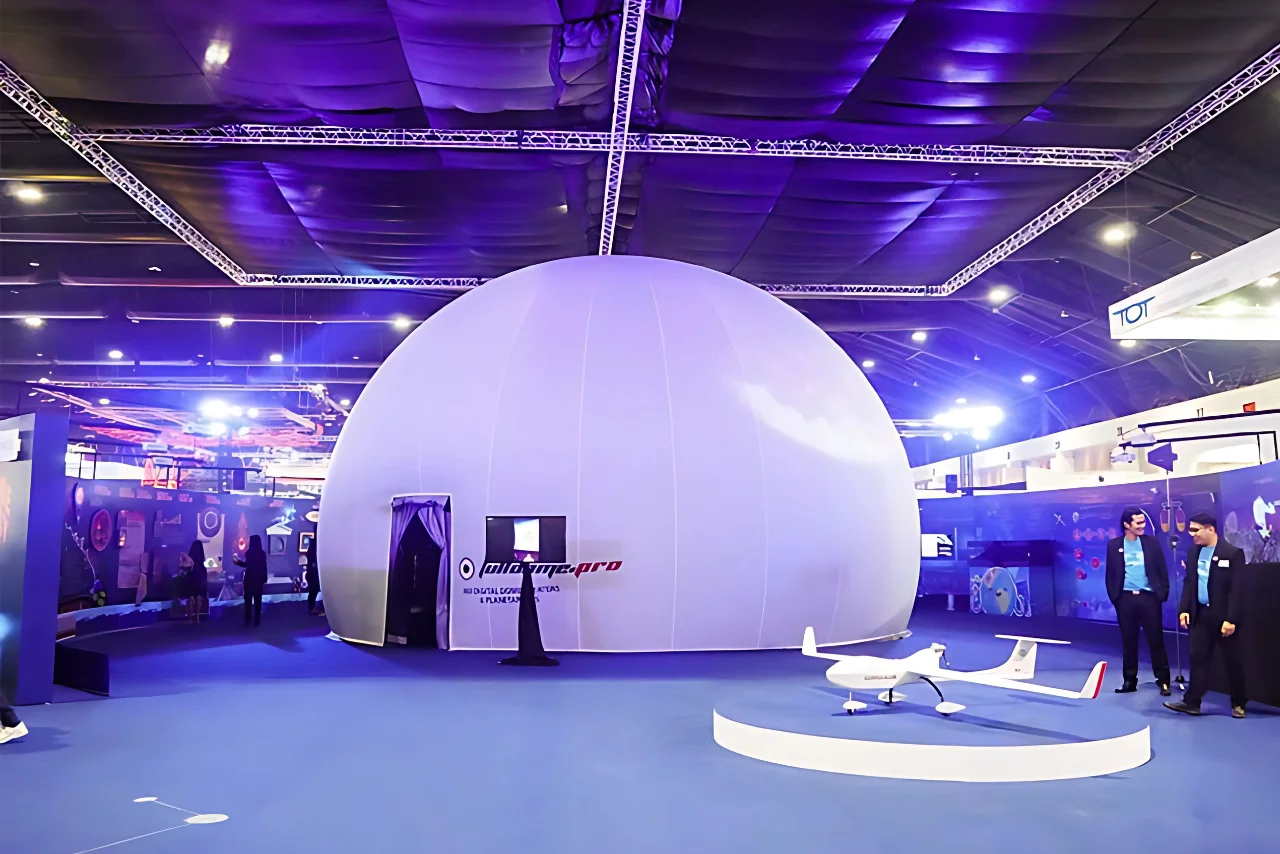
Museums and exhibitions have come a long way from just being quiet rooms filled with static displays. Nowadays, people are looking for engaging, interactive experiences that can really whisk them away to another world.
Think about it: From simulations of space travel to 360-degree displays of art, the way we design exhibitions is really changing fast. At the center of this shift are geodesic domes. These unique structures are changing the game when it comes to how museums tell their stories and showcase science, culture, and innovation.
Let’s take a look at how geodesic domes are setting the stage for the future of museums and exhibitions, and why they’re quickly becoming the go-to option for creating these immersive environments.
The Rise of Immersive Experiences
In the past, museums typically used a straightforward layout for storytelling, where visitors would move from one exhibit to the next. While that worked, it often didn’t grab people’s attention like it could.
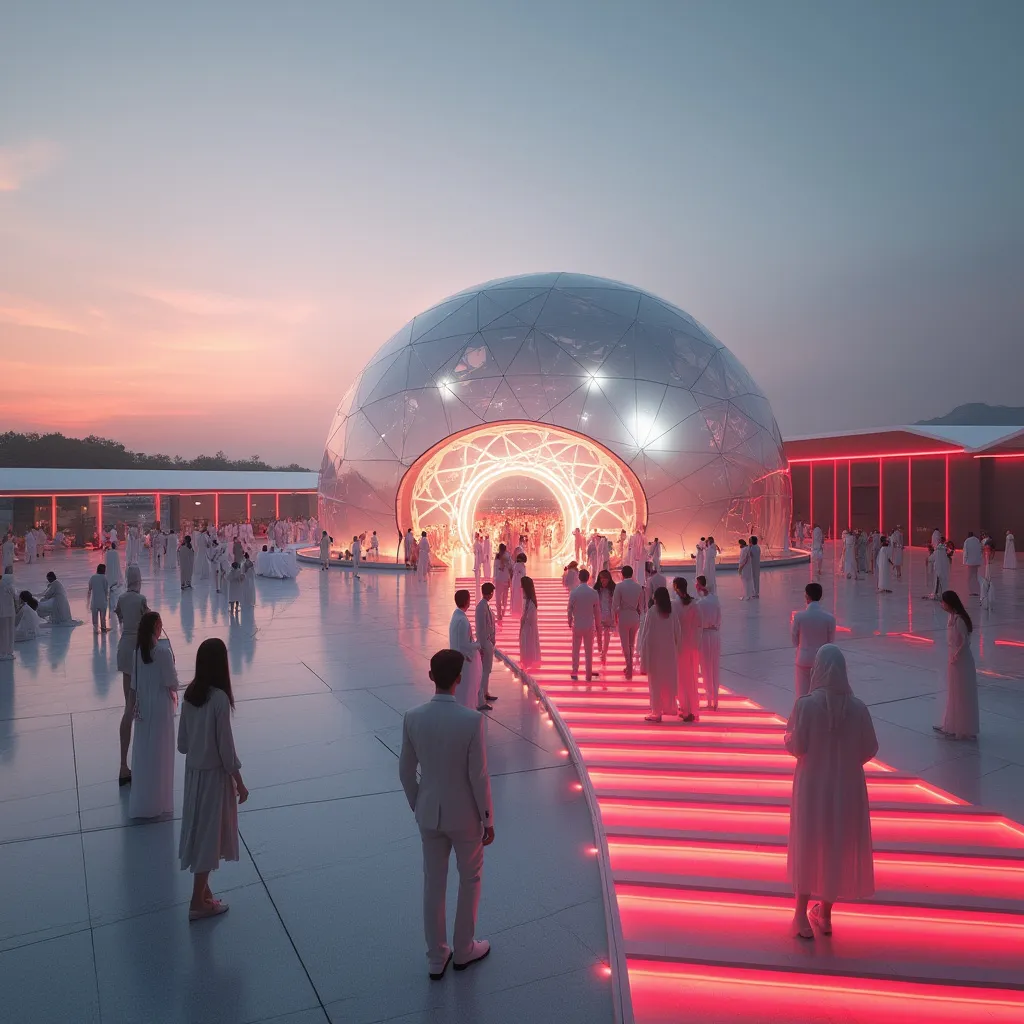
But with geodesic domes, the experience is taken to a whole new level. The round design allows for a fully immersive atmosphere. Instead of just glancing at an exhibit from the outside, visitors can actually step inside the experience.
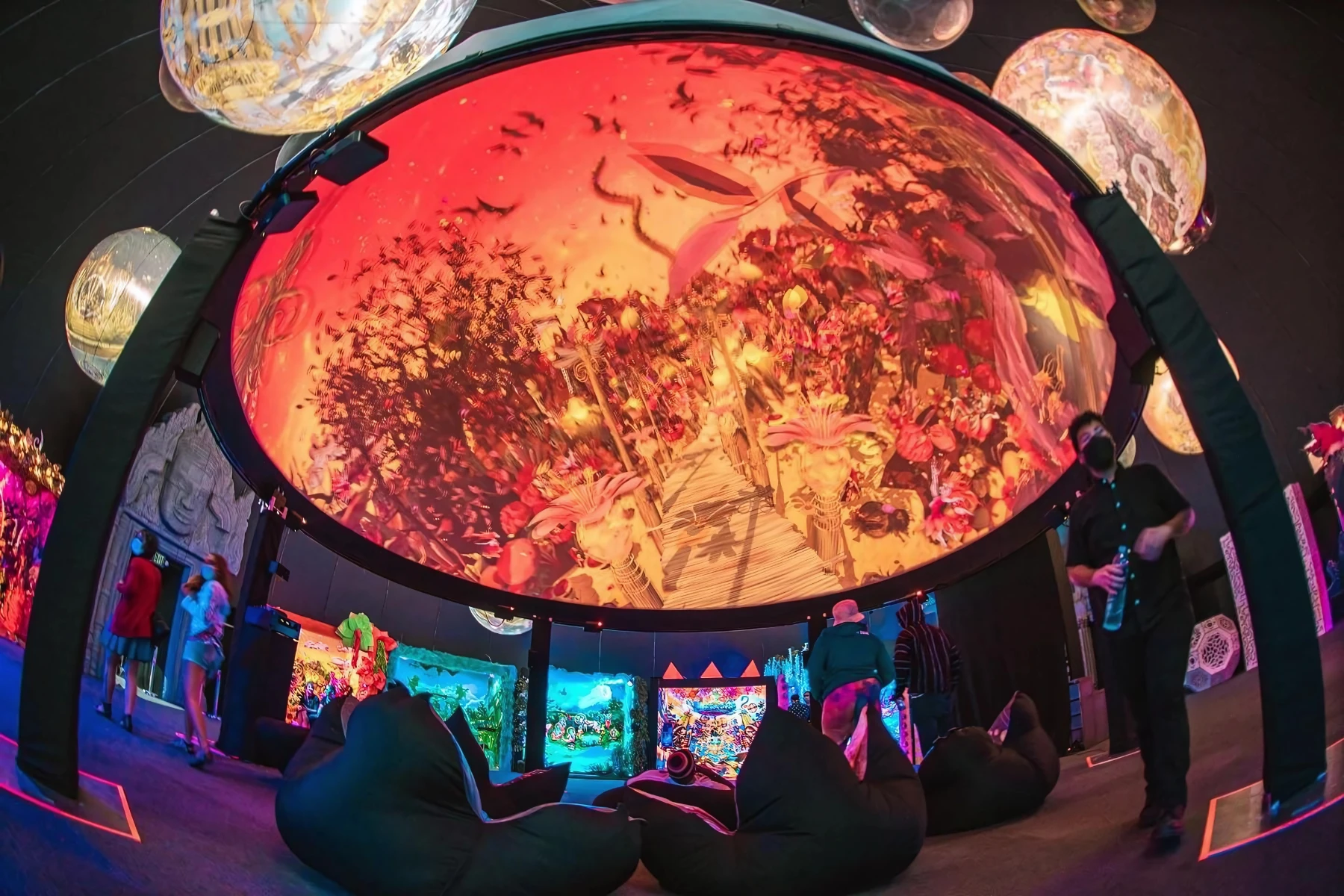
Whether it’s a planetarium show, a digital art display, or a science exhibit, the curved surface inside becomes a perfect canvas for projections.
This 360-degree environment:
- Enhances audience engagement
- Encourages longer visitor interaction
- Creates memorable experiences
- Appeals to both children and adults
In an age where experiential learning is valued more than ever, domes provide the perfect setting for storytelling without boundaries.
Architectural Strength Meets Design Flexibility
Geodesic domes are engineered using a network of triangles that distribute structural stress evenly. This makes them:
- Lightweight yet incredibly strong
- Energy efficient
- Quick to assemble and dismantle
- Suitable for both permanent and temporary installations
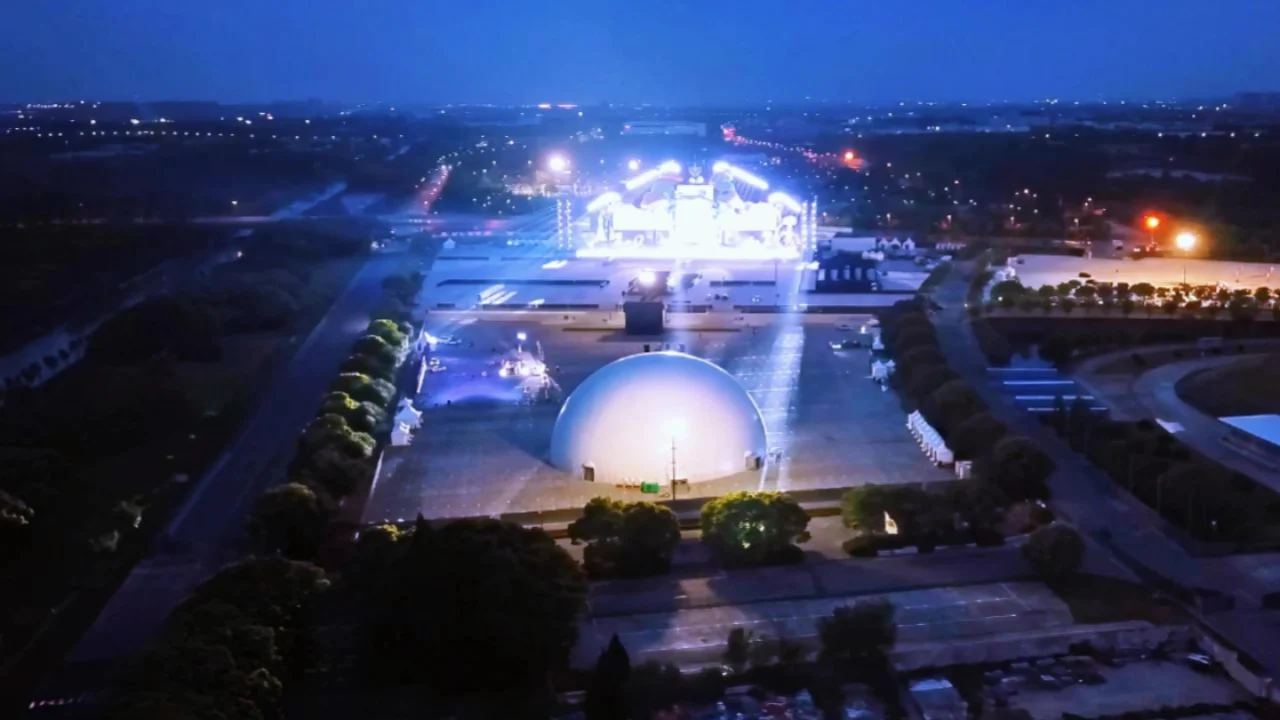
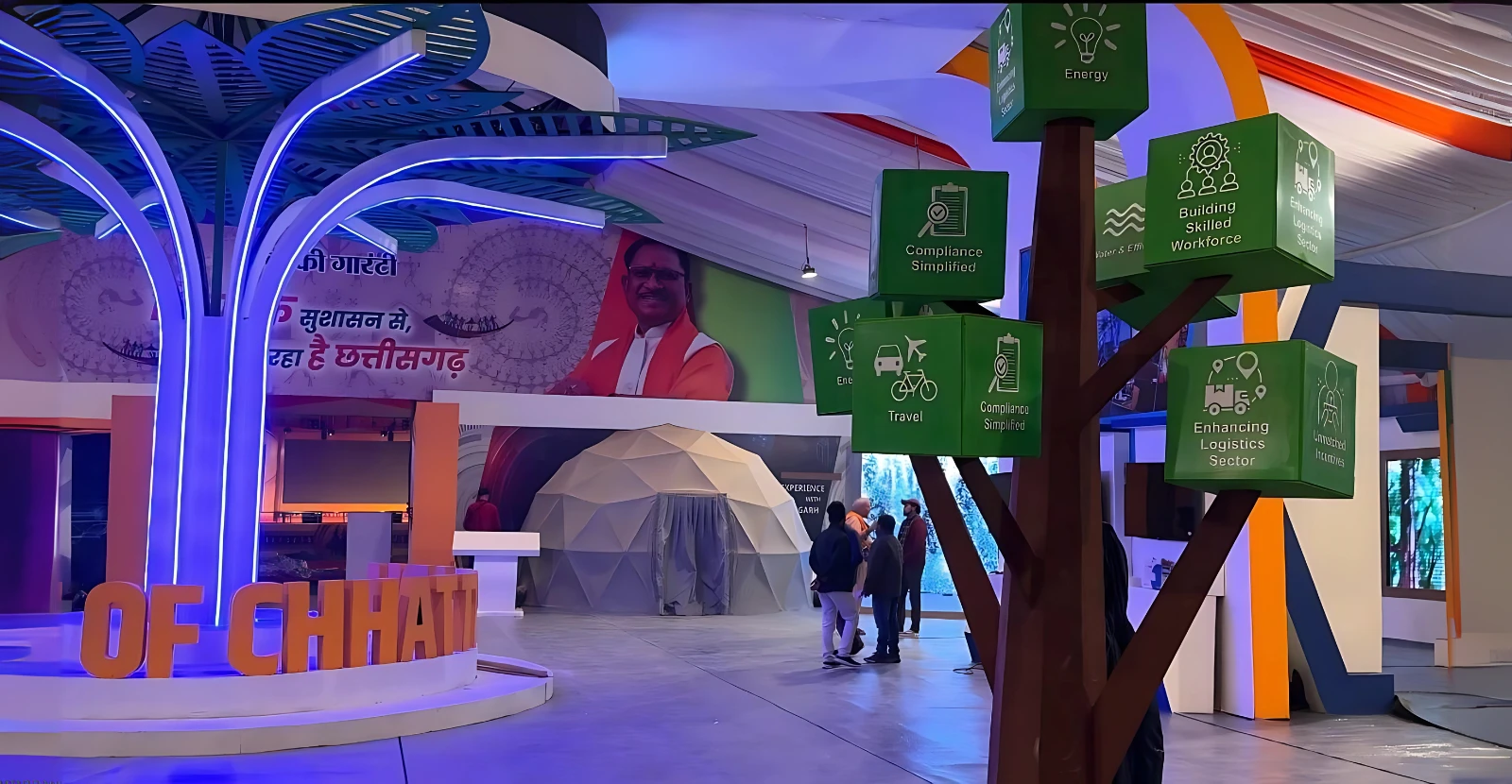
Museums and exhibition organizers benefit from this flexibility. Domes can be installed indoors or outdoors, adapted for traveling exhibitions, and customized in size to fit different spatial requirements.
The growing demand for geodesic domes in India highlights how cultural institutions, science centers, and event organizers are recognizing their versatility and efficiency.
Transforming Planetariums and Science Centers
One of the most prominent applications of geodesic domes is in planetariums. The curved structure perfectly supports full-dome projection systems, offering breathtaking simulations of space, marine life, climate change, and more.
Science centers use domes to:
- Visualize complex scientific concepts
- Host interactive educational programs
- Simulate real-world environments
- Deliver immersive STEM learning experiences
By stepping inside a dome, visitors don’t just learn, they experience.
Enhancing Digital Art & Multimedia Exhibitions
The art world is embracing technology in bold new ways. Digital projections, light mapping, and immersive audio are transforming exhibitions into multi-sensory experiences.
Geodesic domes provide:
- A continuous projection surface
- Minimal visual interruptions
- Superior acoustics
- Controlled lighting environments
Artists and curators can design 360-degree digital environments where visitors are surrounded by art rather than observing it from a distance. This immersive quality increases emotional connection and engagement.
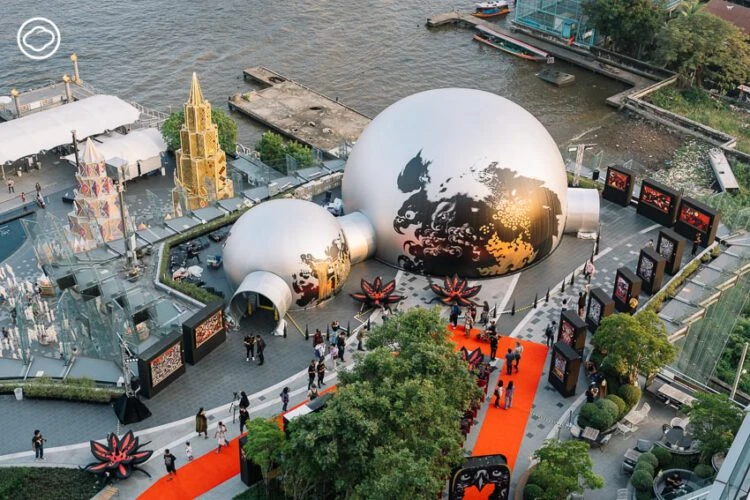
A well-designed museum installations dome can serve as a traveling exhibition space, allowing organizations to expand their reach without building permanent structures at every location.
Driving Visitor Engagement Through Innovation
Modern audiences expect interactive environments. Geodesic domes allow museums to integrate:
- Projection mapping
- Interactive touch technologies
- Spatial audio systems
- Augmented and virtual reality components
This integration transforms passive viewing into active participation. Visitors become part of the exhibit rather than mere observers.
The result?
- Higher visitor satisfaction
- Increased footfall
- Stronger word-of-mouth marketing
- Greater educational impact
The Future of Museums Is Experiential
As museums face off against the allure of digital entertainment and online content, they really need to offer something that can’t be replicated: genuine, immersive experiences in the real world.
That’s where geodesic domes come into play. They combine architecture, technology, and storytelling into a seamless environment that not only grabs attention but also sparks the imagination.
Museums that choose to invest in these dome experiences are setting themselves up as cutting-edge and creative, drawing in new visitors and boosting their educational value.
Conclusion
Geodesic domes go beyond just being buildings; they serve as hubs for transformative experiences. With their ability to enable immersive narratives, adaptable installations, sustainability, and advanced multimedia integration, they’re changing the way museums and exhibitions connect with their audiences.
As the field of experiential design keeps evolving, geodesic domes will undoubtedly be at the leading edge of innovation, helping institutions craft unforgettable spaces that educate, inspire, and truly engage people.
CTA: To explore advanced dome solutions for museums, exhibitions, and immersive environments, visit: https://fulldomeindia.com/